English
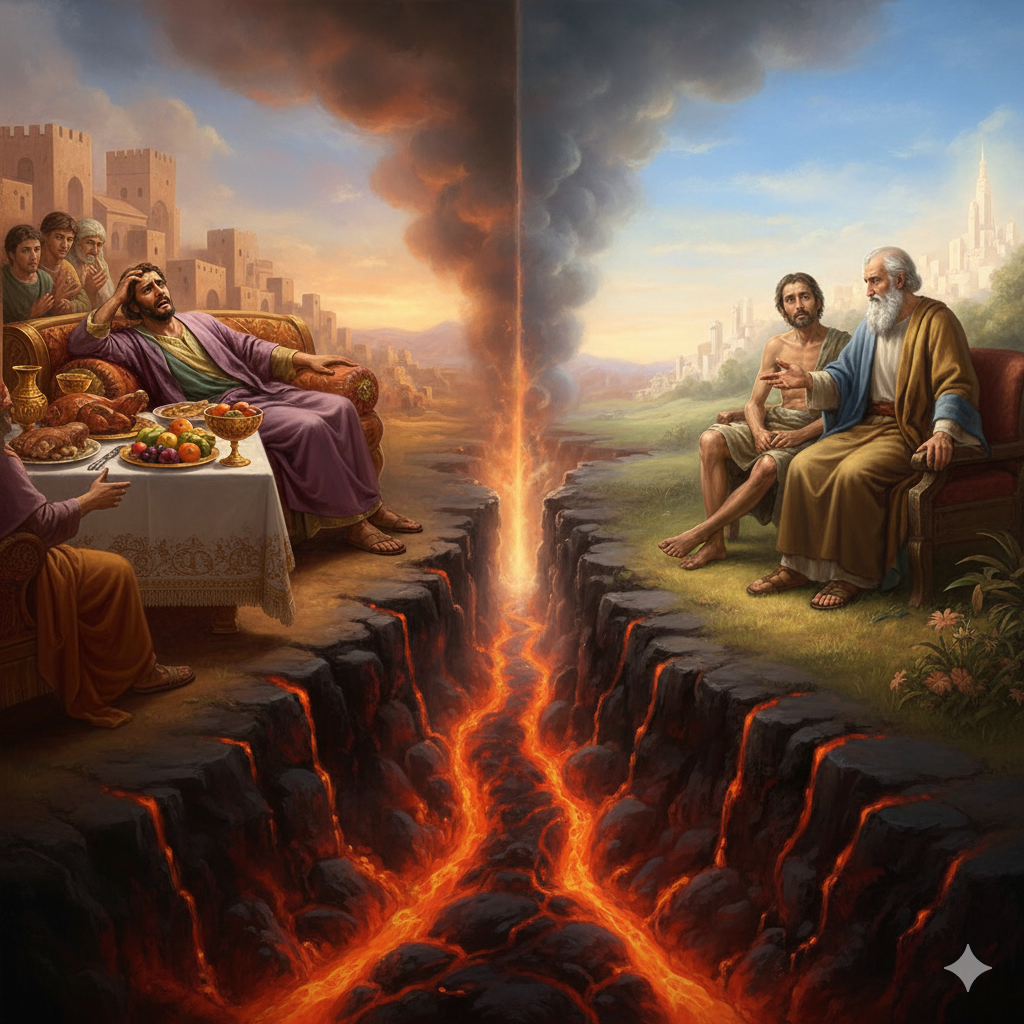
When you help out someone who is in need, you are not making a gift of what is yours to the poor man, but you are giving him back what is his. The rich man in the Gospel went to the place of suffering because of what he did not do. There is no mention of him committing any sins like lying, cheating, killing, stealing. All it tells us is that he was rich, and he chose to NOT help the poor man at his doorstep. This ought to be a wake-up call for us.
When it comes to being wealthy, perhaps we can think that this parable does not apply to me, because I am not in the upper tax bracket. The baseline definition for wealth in the bible is that you are eating every day and at least one of your meals includes meat. So the important question for us is: who is the person who is suffering and needs our help, and we have neglected to care for them?
I try to help out when I encounter someone who is hungry. And usually it is not too much trouble. But here’s the thing. Very often, I help out someone, and they leave without me ever getting to see them again. I don’t learn their name. It is a one-time thing. Jesus is challenging us to help out those people that we will see again and again. Those people who we know by name. The rich man knew Lazarus by name. He even asked Abraham to send Lazarus to bring him some water, one of the things that he refused to give Lazarus while he was alive.
The answer doesn’t seem fair. There is a chasm that cannot be crossed. This highlights the seriousness of our choices here on earth. We might think that we are pretty good overall, but the choices that we make to help or not help people here on this earth have eternal consequences. When we think about life after death, perhaps the most beautiful part of it, aside from being in the presence of the Lord and filled with his love, is being surrounded by all of the people who have helped you and who you have helped. The people you chose to help, not because it was convenient or easy, but because you recognized their dignity as beloved brothers and sisters in Christ. What would you prefer to have written on your tombstone? “They were a good person,” or, “they treated each person they encountered like Christ.” Let us aim for the second as we approach this sacred altar to be filled with the love of Christ in Holy Communion.
Spanish
Cuando ayudas a alguien que está necesitado, no estás haciendo un regalo de lo que es tuyo al pobre, sino que le estás devolviendo lo que es suyo. El rico del Evangelio fue al lugar del sufrimiento por lo que no hizo. No se menciona que haya cometido pecados como mentir, engañar, matar, robar. Todo lo que nos dice es que era rico y eligió NO ayudar al pobre hombre en la puerta de su casa. Esto debería ser una llamada de atención para nosotros.
Cuando se trata de ser rico, tal vez podamos pensar que esta parábola no se aplica a mí, porque no estoy en la categoría impositiva superior. La definición básica de riqueza en la Biblia es que comes todos los días y al menos una de tus comidas incluye carne. Entonces, la pregunta importante para nosotros es: ¿quién es la persona que está sufriendo y necesita nuestra ayuda, y hemos descuidado cuidarla?
Trato de ayudar cuando me encuentro con alguien que tiene hambre. Y por lo general no es demasiado problema. Pero aquí está la cosa. Muy a menudo, ayudo a alguien y se van sin que yo pueda volver a verlos. No aprendo su nombre. Es algo de una sola vez. Jesús nos desafía a ayudar a esas personas que veremos una y otra vez. Esas personas que conocemos por su nombre. El hombre rico conocía a Lázaro por su nombre. Incluso le pidió a Abraham que enviara a Lázaro a traerle un poco de agua, una de las cosas que se negó a darle a Lázaro mientras estaba vivo.
La respuesta no parece justa. Hay un abismo que no se puede cruzar. Esto pone de relieve la seriedad de nuestras decisiones aquí en la tierra. Podríamos pensar que somos bastante buenos en general, pero las decisiones que tomamos para ayudar o no ayudar a las personas aquí en esta tierra tienen consecuencias eternas. Cuando pensamos en la vida después de la muerte, quizás la parte más hermosa de ella, además de estar en la presencia del Señor y lleno de su amor, es estar rodeado de todas las personas que te han ayudado y a las que has ayudado. Las personas a las que elegiste ayudar, no porque fuera conveniente o fácil, sino porque reconociste su dignidad como amados hermanos y hermanas en Cristo. ¿Qué preferirías que escribiera en tu lápida? “Eran buenas personas” o “trataban a cada persona que encontraban como Cristo”. Apuntemos a lo segundo cuando nos acerquemos a este altar sagrado para llenarnos del amor de Cristo en la Sagrada Comunión.
1 Comment
Thanks for everything you do Fr. Josh!